When to Use Low Voltage vs. Medium Voltage Drives
Selecting the right motor drive is critical for optimizing performance, energy efficiency, and long-term reliability in industrial applications. One of the most common decisions engineers face is choosing between low voltage (LV) and medium voltage (MV) drives. Each option has its own advantages, limitations, and ideal use cases. For companies like SLANVERT, providing both LV and MV solutions ensures that customers can match their specific operational requirements with the most suitable technology.
Understanding Low Voltage and Medium Voltage Drives
Before comparing their applications, it’s important to understand what distinguishes low voltage from medium voltage drives.
What Are Low Voltage Drives?
Low voltage drives typically operate at voltages up to 690V. These drives are widely used in general industrial applications due to their flexibility, affordability, and ease of installation. LV drives are commonly paired with smaller motors and systems that do not require extremely high power output.
What Are Medium Voltage Drives?
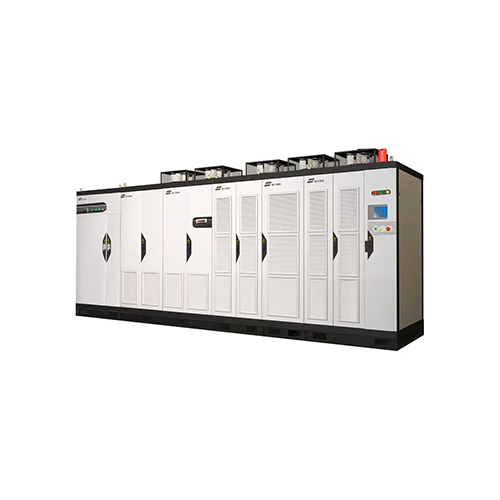
Medium voltage drives generally operate in the range of 1kV to 13.8kV. They are designed for high-power applications where efficiency, reduced current, and long-distance power transmission are critical. MV drives are often used in heavy industries such as mining, oil and gas, and large-scale manufacturing.
Key Differences Between LV and MV Drives
Power Capacity and Application Scale
The most significant difference lies in power handling. LV drives are ideal for applications below 1 MW, while MV drives are better suited for high-power systems exceeding this range.
For example, small pumps, fans, and conveyors can efficiently operate with LV drives. In contrast, large compressors, mills, and high-capacity pumps often require MV drives.
Installation and Infrastructure Requirements
LV drives are easier to install and integrate into existing systems. They require less insulation, simpler switchgear, and lower upfront investment.
MV drives, on the other hand, demand more complex infrastructure, including specialized transformers, switchgear, and safety systems. However, they reduce the need for high current, which can simplify cabling in large installations.
Energy Efficiency and Operating Costs
In high-power applications, MV drives are generally more energy-efficient because they operate at higher voltages and lower currents. This reduces energy losses and improves overall system performance.
LV drives are still efficient for smaller systems, but as power requirements increase, they may become less economical due to higher current losses.
When to Use Low Voltage Drives
Small to Medium Industrial Applications
LV drives are ideal for industries that require moderate power levels, such as:
HVAC systems
Water treatment plants
Light manufacturing
Food and beverage processing
These applications benefit from the cost-effectiveness and flexibility of LV drives.
Cost-Sensitive Projects
For projects with limited budgets, LV drives offer a lower initial investment. They also have lower maintenance costs and are easier to replace or upgrade.
Applications Requiring Flexibility
LV drives are highly adaptable and can be easily integrated with automation systems. They are suitable for operations that require frequent adjustments or variable speed control.
When to Use Medium Voltage Drives
High-Power Industrial Operations
MV drives are essential for heavy-duty industries where large motors are required, such as:
Mining and mineral processing
Oil and gas operations
Cement production
Power generation
These environments demand high efficiency and reliable performance under extreme conditions.
Long-Distance Power Transmission
In large facilities, MV drives reduce current flow, which minimizes power losses over long distances. This makes them ideal for plants with distributed equipment.
Energy Efficiency in Large Systems
For high-capacity systems, MV drives significantly reduce energy consumption and operational costs over time. Although the initial investment is higher, the long-term savings often justify the cost.
Cost Considerations: LV vs. MV Drives
Initial Investment
LV drives are more affordable upfront, making them attractive for small-scale projects. MV drives require higher capital investment due to additional equipment and installation complexity.
Total Cost of Ownership
While MV drives are more expensive initially, they often provide lower operating costs in high-power applications. Reduced energy consumption and improved efficiency lead to long-term savings.
Maintenance Requirements
LV drives are generally easier and less expensive to maintain. MV drives require specialized expertise and safety procedures, which can increase maintenance costs.
How SLANVERT Helps You Choose the Right Drive
SLANVERT offers a comprehensive range of both low voltage and medium voltage drives tailored to diverse industrial needs. By combining advanced technology with industry expertise, SLANVERT helps customers:
Analyze power requirements and operational conditions
Select the most efficient drive solution
Optimize energy consumption and system performance
Ensure reliable and long-lasting operation
With a strong focus on innovation and customer support, SLANVERT provides solutions that align with both technical and economic goals.
Practical Selection Tips
When deciding between LV and MV drives, consider the following factors:
Motor power requirements
Application type and industry
Installation environment
Budget and long-term cost expectations
Energy efficiency goals
A thorough evaluation of these factors will help you choose the most suitable drive for your application.
Conclusion
Choosing between low voltage and medium voltage drives depends on your specific application, power requirements, and budget. LV drives are ideal for smaller, flexible, and cost-sensitive applications, while MV drives excel in high-power, large-scale industrial environments.
By understanding the differences and evaluating your operational needs, you can make an informed decision that maximizes efficiency and performance. With the support of experienced manufacturers like SLANVERT, businesses can confidently select the right drive solution to achieve optimal results and long-term success.
评论
发表评论